


Polyester vs Nylon Thread: Choosing the Right Sewing Threads for Sewing Machines

In the world of sewing, selecting the right thread is crucial to the success of your sewing projects. Whether you’re working with upholstery or crafting outdoor gear, understanding the differences between polyester and nylon threads can greatly impact the durability and appearance of your finished product. This guide will help you navigate the details of polyester vs nylon threads, ensuring that you choose the right sewing thread for your needs.
Understanding Polyester and Nylon Threads

When it comes to sewing threads, polyester and nylon are two of the most commonly used synthetic fibers. Each type of thread offers distinct characteristics that cater to different sewing requirements.
Sewing Threads for Machines

Simthread All Purpose Thread Polyester 400 Yards Each (1 White 1 Black)
Simthread All Purpose Thread Polyester 400 Yards Each (1 White 1 Black)
VIEW LATEST PRICE
72 PCS Sewing Thread Assortment, 36 Color Thread for Sewing Machine with 36 Same Color Bobbins, Polyester Thread 400 Yards/Spool (72)
72 PCS Sewing Thread Assortment, 36 Color Thread for Sewing Machine with…
VIEW LATEST PRICE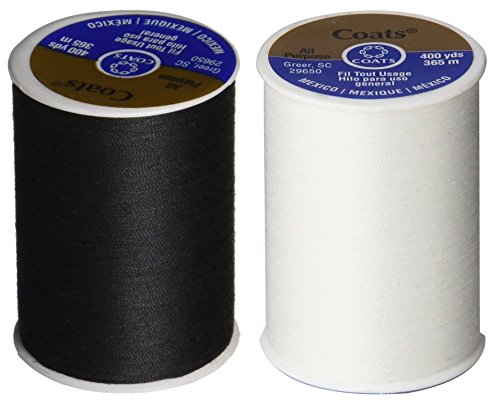
2-Pack Polyester Coats & Clark Dual Duty All-Purpose Thread – One 400 Yard Spool Each of Black & White
2-Pack Polyester Coats & Clark Dual Duty All-Purpose Thread – One 400…
VIEW LATEST PRICE| Thread Type | Characteristics |
| Polyester | Superior elasticity and abrasion resistance; ideal for garments and machine sewing |
| Nylon | Excellent strength; used for heavy-duty applications like upholstery and industrial machine projects |
Understanding the unique properties of each can help you make informed decisions in your sewing endeavors.
What is Polyester Thread?
Polyester thread is a synthetic fiber known for its strength and versatility. It is made from polyester filaments, which are often spun into a smooth, durable thread. This type of thread is particularly popular in textile manufacturing due to its high elasticity and resistance to abrasion. Polyester threads are also UV resistant, making them suitable for outdoor gear like awnings and tents. Additionally, polyester thread can be easily dyed, allowing for a wide range of color options to complement any sewing project.
What is Nylon Thread?
Nylon thread, another synthetic option, is renowned for its exceptional strength and durability. Composed of polyamide fibers, nylon thread is often used for applications requiring a strong bond, such as sewing heavy fabrics or items subjected to high stress. Bonded nylon, in particular, is highly resistant to wear and tear, making it a popular choice for industrial sewing machines. Nylon thread also offers excellent abrasion resistance, which is why it is frequently used in making upholstery, outdoor gear, and garments that demand high durability.
Key Differences Between Polyester and Nylon
While both polyester and nylon threads are synthetic and offer valuable qualities, key differences distinguish them.
| Thread Type | Key Characteristics |
| Polyester | Better UV resistance, Elasticity contributes to withstanding repeated stress without breaking |
| Nylon | Superior strength, Maintains a stronger bond under heavy loads |
Understanding these differences is essential to choose the right thread for your specific sewing project’s requirements.
Mechanical Properties of Polyester and Nylon

Durability and Strength
When evaluating the durability and strength of polyester and nylon threads, it’s essential to consider their unique properties and applications.
| Thread Type | Properties and Applications |
| Polyester Thread | Renowned for its elasticity and ability to withstand repeated stress, making it an excellent choice for garments and projects requiring flexibility. |
| Nylon Thread | Offers superior strength due to its polyamide composition, making it ideal for heavy-duty sewing tasks such as upholstery and industrial machine applications. |
This distinction is crucial in determining the right thread for your specific sewing project.
Abrasion Resistance
Abrasion resistance is a critical factor when choosing a sewing thread, especially for projects involving high wear and tear. Polyester threads are known for their excellent abrasion resistance, making them suitable for machine sewing tasks that demand durability, like polyester garments or outdoor textiles exposed to environmental stressors. Nylon threads, particularly bonded nylon, also excel in abrasion resistance, making them a preferred choice for high-stress applications such as upholstery and outdoor gear. Understanding the abrasion resistance of each type of thread helps in selecting the most appropriate option.
Filament Characteristics
The filament characteristics of polyester and nylon threads significantly influence their performance in various sewing applications. Polyester filaments are typically smooth and versatile, allowing for easy dyeing and a wide range of color options, which is advantageous for textile manufacturing and garment projects. Conversely, nylon filaments, often derived from polyamide, offer exceptional strength and resistance to environmental factors. These characteristics make nylon threads suitable for sewing projects that require robust and durable seams, particularly in industrial and outdoor applications.
Choosing the Right Thread for Your Sewing Machine

Factors to Consider
Choosing the right thread for your sewing machine involves considering several factors, including the type of fabric, the desired durability, and the specific sewing project requirements. Polyester threads are ideal for projects that require elasticity and color variety, while nylon threads are better suited for heavy-duty applications due to their strength and resistance to high stress. Additionally, the environmental impact of the thread material, such as UV resistance for outdoor gear, should be considered to ensure long-lasting results.
Best Uses for Polyester Thread
Polyester thread is best used in projects where elasticity and colorfastness are important. It is particularly well-suited for garments, machine sewing, and outdoor applications like tents and awnings, where resistance to UV rays is beneficial. Polyester’s smooth filament structure allows for vibrant dyeing, making it a versatile choice for decorative stitching and textile projects where color matching is crucial. This type of thread is an excellent option for sewing projects that demand flexibility and a wide range of colors.
Best Uses for Nylon Thread
Nylon thread is most advantageous in applications requiring high strength and durability. It excels in upholstery, heavy-duty garments, and industrial machine sewing, where a strong bond is essential. Bonded nylon threads are particularly suitable for outdoor gear and items exposed to friction and environmental stressors. Nylon’s robust characteristics make it ideal for sewing projects that involve heavy fabrics or require seams that can withstand significant stress and abrasion, ensuring long-lasting and resilient results.
Environmental Impact of Polyester and Nylon Threads

Sustainability of Synthetic Threads
The environmental impact of polyester and nylon threads is a growing concern in the textile industry. Both are synthetic fibers, which means they are derived from petrochemicals, contributing to their carbon footprint. Polyester, known for its UV resistance and elasticity, and nylon, renowned for its strength and durability, require significant energy for production and release microplastics into water systems. However, advancements in eco-friendly manufacturing processes and the development of biodegradable synthetic fibers are promising steps toward sustainability.
Recycling Options for Polyester and Nylon
Recycling options for polyester and nylon threads are crucial in minimizing their environmental footprint. Polyester, often used in outdoor gear and garments, can be recycled through mechanical or chemical processes. Mechanical recycling involves melting and re-spinning into new fibers, while chemical recycling breaks down polyester into its basic monomers for reuse. Nylon, frequently used in upholstery and industrial applications, is also recyclable. Innovations in recycling technologies are enhancing the efficiency and feasibility of recycling these synthetic threads.
Future of Textile Manufacturing
The future of textile manufacturing lies in sustainable practices and materials, with polyester and nylon threads playing a significant role. As the industry shifts toward eco-conscious production, the development of recycled and biodegradable threads is gaining momentum. Polyester and nylon, essential in machine sewing and heavy-duty applications, are being re-engineered for reduced environmental impact. The integration of renewable resources and closed-loop systems in textile production promises a more sustainable future, balancing durability, strength, and ecological responsibility.
Specialty Threads and Their Applications

When to Use Specialty Threads
Specialty threads are essential for specific sewing projects that demand unique characteristics beyond standard polyester or nylon threads. These threads are designed for particular applications, such as embroidery, quilting, or decorative stitching, where aesthetics and performance are paramount. Specialty threads offer enhanced elasticity, sheen, or abrasion resistance, making them ideal for projects requiring precise detailing or exposure to challenging conditions. Understanding when to incorporate specialty threads ensures the best results in bespoke and creative sewing endeavors.
Comparing Specialty Polyester and Nylon Threads
Comparing specialty polyester and nylon threads involves examining their distinct properties suited for niche applications. Specialty polyester threads are valued for their vibrant colors and UV resistance, making them ideal for outdoor garments and gear. On the other hand, specialty nylon threads, often bonded for extra strength, excel in high-stress applications like upholstery and industrial sewing. Evaluating factors such as elasticity, durability, and environmental resistance helps in choosing the most appropriate thread type for specialty projects.
Choosing Between Polyester and Nylon for Specialty Projects
Choosing between polyester and nylon for specialty projects depends on the project’s specific requirements. Polyester threads are perfect for projects that demand color variety and UV resistance, such as outdoor textiles and garments. Nylon threads, with their superior strength and abrasion resistance, are more suitable for heavy-duty applications like upholstery and industrial sewing. Assessing the project’s environmental exposure, desired durability, and aesthetic goals is crucial in selecting the right thread to ensure optimal performance and longevity.

Leave a Reply