

Lyocell & Tencel Fabric: Everything You Need to Know
Lyocell & Tencel Fabric: Everything You Need to Know

In the realm of modern textiles, understanding the unique characteristics and production processes behind different fabrics can be both enlightening and essential, especially for those who prioritize sustainability and comfort. Lyocell and Tencel are names that often surface in discussions about eco-friendly fabrics, offering a perfect blend of natural and synthetic materials. This article delves into everything you need to know about these innovative textiles.
Understanding Lyocell Fabric

What is Lyocell?
Lyocell is a semi-synthetic fabric that is renowned for its versatility and eco-friendly nature. It’s a fabric made from natural fiber derived from wood pulp, typically sourced from sustainably managed forests. This makes lyocell an excellent choice for those with sensitive skin, as it is gentle and breathable. Notably, lyocell isn’t prone to wrinkle as much as other fabrics, adding to its appeal.
Lyocell & Tencel Fabric Products

Tencel Jeans, 100% Lyocell, Ultra-Soft Fabric, Navy Blue Vintage wash, Distressed Finish, Women's Cropped Wide-Leg Pants (US, Alpha, Large, X-Large, Regular, Regular)
Tencel Jeans, 100% Lyocell, Ultra-Soft Fabric, Navy Blue Vintage wash, Distressed Finish,…
VIEW LATEST PRICE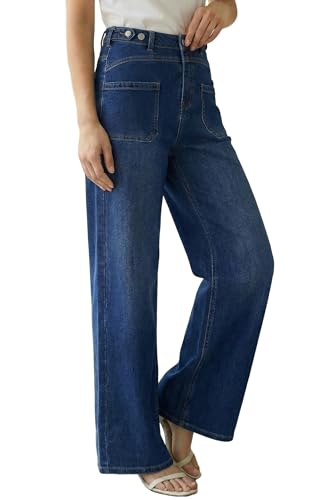
Arach&Cloz Womens Lyocell Cotton Denim Adjustable Waist Stretchy Spring Wide Leg Jeans Petite Dark Blue XL
Arach&Cloz Womens Lyocell Cotton Denim Adjustable Waist Stretchy Spring Wide Leg Jeans…
VIEW LATEST PRICE
Zeagoo Tops for Women Cotton Linen Button Down Shirts Casual Clothes Collared 3/4 Sleeve Work Blouses Army Green M
Zeagoo Tops for Women Cotton Linen Button Down Shirts Casual Clothes Collared…
VIEW LATEST PRICEHow is Lyocell Fabric Made?
The production process of lyocell fabric involves dissolving wood pulp in a non-toxic solvent, creating a thick solution that is then extruded through fine holes to form lyocell fiber. This method requires less water compared to other textiles, enhancing its sustainable profile. The fibers are then spun into yarns and woven into fabric, often blended with other fibers like cotton or polyester to enhance durability and flexibility.
Properties of Lyocell Fabric
Lyocell fabric is celebrated for its unique properties, including being breathable and stretchy, which makes lyocell good for a variety of clothing applications. Lyocell fabric provides a soft, smooth feel that drapes well and is highly absorbent, making it ideal for activewear and casual lyocell clothes. Additionally, lyocell fabric isn’t prone to shrink, and with proper care, it maintains its shape and resilience over time.
Tencel: The Brand Behind Lyocell

What is Tencel?
Tencel is a brand name for lyocell and modal fibers, known for setting high standards in sustainable textile production. Tencel lyocell is particularly favored for its eco-friendly attributes and is often found in high-quality fabrics that emphasize comfort and longevity. The brand has pioneered advancements in textile technology, ensuring that lyocell fibers are both high-performing and environmentally responsible.
Tencel vs. Lyocell: What’s the Difference?
While lyocell refers to the type of fiber, Tencel is the commercial name given by the company that has popularized it. Essentially, Tencel lyocell incorporates the same lyocell fiber, but it is produced under strict environmental guidelines, ensuring a smaller ecological footprint. This distinction highlights Tencel’s commitment to sustainable practices and quality, distinguishing it from generic lyocell production.
The Eco-Friendly Aspects of Tencel
Tencel’s production process is lauded for its eco-friendliness, utilizing a closed-loop system that recycles water and solvents, minimizing waste. The brand’s commitment to sustainability extends to sourcing wood from certified forests and promoting biodegradable materials. As consumers become more conscious of environmental impact, Tencel offers a compelling choice for those seeking a balance between luxury and responsibility in their fabric selections.
Benefits of Lyocell and Tencel Fabrics

Sustainable Characteristics
Lyocell and Tencel fabrics are renowned for their sustainable characteristics, offering an eco-friendly alternative in the textile industry. The production process of lyocell fabric uses less water and incorporates a closed-loop system that recycles solvents, ensuring minimal waste. Additionally, lyocell fibers are derived from sustainably sourced wood pulp, making them a responsible choice for environmentally conscious consumers. This commitment to sustainability is what makes lyocell and Tencel ideal for those seeking eco-friendly textile solutions.
Breathability and Comfort
Lyocell fabric is celebrated for its breathability and comfort, making it an excellent choice for a variety of clothing applications. The natural fiber structure of lyocell allows for optimal air circulation, keeping the wearer cool and comfortable. Lyocell provides a smooth, soft texture that feels luxurious against the skin, while its moisture-wicking properties ensure a dry and comfortable experience. This combination of breathability and comfort makes lyocell fabrics ideal for activewear, casual wear, and bedding.
Lyocell Fabric for Sensitive Skin
For individuals with sensitive skin, lyocell fabric offers a gentle and hypoallergenic option. The smooth surface of lyocell fibers reduces friction against the skin, which minimizes irritation and makes it suitable for those with allergies or sensitivities. Its ability to absorb moisture effectively also helps in maintaining a healthy skin environment. As a semi-synthetic fabric, lyocell combines the best of natural and synthetic properties, providing a soothing wear for those with delicate skin conditions.
Care and Maintenance of Lyocell Fabric

How to Care for Lyocell Fabric
Proper care for lyocell fabrics ensures their longevity and maintains their high-quality appearance. By following these guidelines, you can keep your lyocell garments looking fresh and new:
1. Wash lyocell clothes on a gentle cycle in cold water to prevent damage and preserve the fabric’s integrity.
2. Use mild detergents and avoid bleach to help maintain the fabric’s color and softness.
3. Prefer air drying over using high heat, which can weaken the fibers.
Can Lyocell Fabric Shrink?
Although lyocell fabric is less prone to shrinkage compared to other materials, improper care can lead to slight size changes. To minimize the risk of shrinkage, it is important to understand how lyocell fabric behaves when exposed to heat. Here are some precautions to take during washing and drying:
4. Avoid hot water.
5. Refrain from using high-temperature drying processes.
Lyocell fabric is designed to retain its shape, but taking these precautions can help ensure it remains true to size and your garments continue fitting perfectly.
Stretchy Qualities of Lyocell Fabric
Lyocell fabric is known for its stretchy qualities, thanks to its unique fiber structure and blend with other fibers like polyester or cotton. This inherent stretchiness enhances comfort and flexibility, making lyocell suitable for various apparel needs. Whether used in form-fitting activewear or relaxed casual wear, the stretchy nature of lyocell ensures a comfortable fit that accommodates movement without losing shape. This adaptability makes lyocell a perfect fabric for versatile wardrobe staples.
Comparing Lyocell to Other Fabrics

Lyocell vs. Polyester
When comparing lyocell to polyester, the differences are stark, particularly in terms of sustainability and comfort. Polyester is a synthetic fabric derived from petroleum, making it less eco-friendly than lyocell, which is made from natural wood pulp. While polyester is known for its durability and wrinkle resistance, it lacks the breathability and softness that lyocell fabric provides. Furthermore, lyocell’s production process is more environmentally conscious, using less water and employing a closed-loop system that minimizes waste. This makes lyocell a preferred choice for those seeking sustainable and comfortable clothing options.
Lyocell vs. Cotton
Lyocell and cotton are both natural fibers, but they offer distinct advantages in fabric applications. Cotton, a staple in textiles, is breathable and soft, but it often requires significant water for cultivation, posing environmental concerns. Lyocell, on the other hand, is a semi-synthetic fabric that offers similar comfort but with a more sustainable production process. It uses less water and provides a smooth, stretchy quality that enhances wearability. Moreover, lyocell isn’t prone to shrinking as much as cotton, making it a reliable choice for maintaining garment size and shape over time.
Why Choose Lyocell Over Other Fabrics?
Choosing lyocell over other fabrics comes down to its blend of sustainability, comfort, and performance. It’s a fabric made from renewable sources, offering an eco-friendly alternative to less sustainable options like polyester and cotton. Lyocell fabric is breathable, making it ideal for sensitive skin, while its natural fiber composition contributes to a soft, luxurious feel. Additionally, its resistance to wrinkles and shrinkage, along with its stretchy properties, makes lyocell an excellent option for versatile, everyday wear. Embracing lyocell means prioritizing quality and environmental responsibility in your wardrobe choices.
Conclusion: The Future of Lyocell and Tencel Fabric
Why You Need to Know About Lyocell
Understanding lyocell is crucial for anyone interested in sustainable fashion and textiles. As a fabric that combines the benefits of natural and synthetic fibers, lyocell offers an eco-friendly solution that meets modern demands for comfort and durability. Knowing about lyocell equips consumers with the knowledge to make informed choices that support environmental sustainability while enjoying high-quality, versatile clothing.
Lyocell in the Fashion Industry
Lyocell has made significant strides in the fashion industry, becoming a staple in both high-end and everyday apparel. Its eco-friendly credentials and adaptable properties make it a favored choice among designers and manufacturers looking to create sustainable clothing lines. As the industry shifts towards more responsible production practices, lyocell’s role is expanding, setting a standard for future textile innovation.
Final Thoughts on Lyocell and Sustainability
The rise of lyocell and Tencel fabrics highlights a pivotal shift towards sustainability in the textile industry. By embracing these materials, consumers and manufacturers alike contribute to a more eco-conscious future. The qualities that make lyocell a perfect fabric—its breathability, softness, and environmental impact—ensure it remains a top choice for those committed to both style and sustainability. As awareness grows, lyocell’s significance as a sustainable fabric will only continue to increase, shaping the future of fashion for the better.


