
Nylon & Polyamide Fabric: Your Sewing Project Guide
Nylon & Polyamide Fabric: Your Sewing Project Guide

Embarking on a sewing project often begins with choosing the right fabric, a crucial step that influences the final garment’s fit, drape, and durability. Among the myriad of fabric types available, nylon and polyamide fabrics stand out for their versatility and strength, making them popular choices for both apparel and home décor projects. This comprehensive guide aims to unravel the intricacies of these synthetic fibers, providing insights into their unique properties and sewing techniques to ensure your creations are both stylish and enduring.
Understanding Fabric Types

In the vast world of textiles, understanding the different types of fabrics is essential for any sewing enthusiast. Fabric types range from natural fibers like cotton and linen to synthetic options such as polyester and nylon. Each fabric type offers distinct characteristics, affecting the ease of sewing, the choice of sewing techniques, and the overall look and function of the finished product. For instance, knit fabrics, known for their stretch and comfort, require different handling compared to woven fabrics, which are typically more stable and less stretchy. Familiarizing yourself with these differences is the first step in mastering the sewing process.
Nylon & Polyamide Sewing Supplies

AMZTKDIY Walking Foot Presser Foot– Precision Sewing Attachment W/Guide for Brother Sewing Machines Even Feeding Quilting and Sewing
AMZTKDIY Walking Foot Presser Foot– Precision Sewing Attachment W/Guide for Brother Sewing…
VIEW LATEST PRICE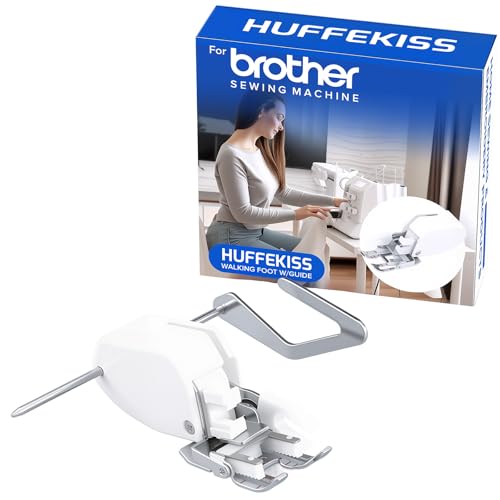
Walking Foot for Brother Sewing Machine – Heavy Duty Even Feed Foot for Quilting, Thick Fabrics & Leather – Perfect for Quilters, DIY Enthusiasts & Professional Tailors -White
Walking Foot for Brother Sewing Machine – Heavy Duty Even Feed Foot…
VIEW LATEST PRICE
HONEYSEW Open Toe Walking Foot W/Guide for Brother Sewing Machine Quilting and Sewing Stitch Through Multiple Layers
HONEYSEW Open Toe Walking Foot W/Guide for Brother Sewing Machine Quilting and…
VIEW LATEST PRICEWhat is Nylon and Polyamide Fabric?
Nylon and polyamide fabric are terms often used interchangeably, as nylon is a type of polyamide. These synthetic fibers are renowned for their strength, elasticity, and resistance to wrinkles and fraying. They are lightweight and offer excellent durability, making them ideal for a wide range of applications, from durable garments to lightweight home décor items. The fabric’s breathability and smooth texture add to its appeal, allowing it to be used in both casual and formal apparel. Understanding the properties of nylon and polyamide is crucial for selecting the right fabric for your sewing project.
Common Fabric Types: An Overview
Exploring different fabrics is a key part of any sewing endeavor. Common fabric types include natural options like cotton fabric, which is soft and breathable, and linen, prized for its crispness and strength. On the synthetic side, polyester fabric is a staple, valued for its resilience and wrinkle resistance. Denim and twill are known for their sturdiness, while rayon offers a silky feel and excellent drape. Each fabric type requires specific sewing techniques and considerations, from stitch length adjustments to selecting the appropriate sewing machines and tools, such as a walking foot or ballpoint needle.
Differences Between Nylon and Polyester Fabrics
While both nylon and polyester are synthetic fabrics, they exhibit distinct differences that can impact your sewing project. Understanding these differences is essential when choosing between these fabrics, as it influences not only the sewing techniques employed but also the fabric care and longevity of the finished product. Here are some key differences:
1. Nylon is generally more elastic and offers a smoother finish, making it suitable for stretchy garments and activewear.
2. Polyester is known for its high resistance to environmental factors and is often used in applications requiring durable, wrinkle-resistant textiles.
Choosing the Right Fabric for Your Garment

How to Choose the Right Fabric for Your Project
When embarking on a sewing project, choosing the right fabric can make a significant difference in the outcome of your garment. The decision involves evaluating several factors, including the fabric type, weight, and intended use of the finished piece. For instance, a lightweight fabric like nylon or polyamide is ideal for projects where breathability and flexibility are essential. Consider the drape of the fabric, as this will determine how it hangs and moves when worn. Additionally, visiting a fabric store and examining swatches can help in making informed choices. Understanding your sewing experience level also plays a role, as different fabrics require specific sewing techniques.
Factors to Consider When Selecting Nylon or Polyamide
When selecting nylon or polyamide for your sewing project, it is important to consider their unique properties. These synthetic fibers are known for their durability and resistance to fraying and wrinkles, making them suitable for both apparel and home décor applications. Evaluate the fabric’s weight and how it aligns with your project’s needs. For projects requiring stretch, nylon is an excellent choice due to its elasticity. Consider the fabric’s breathability, especially for garments intended for active wear. Also, think about the sewing machines and tools you’ll use, such as a walking foot, to accommodate these synthetic fabrics effectively.
Benefits of Using Nylon and Polyamide Fabrics
Nylon and polyamide fabrics offer numerous benefits that make them appealing choices for a variety of sewing projects. Their strength and elasticity provide excellent durability, ensuring that your garments withstand regular wear and tear. These fabrics’ lightweight nature and smooth texture enhance comfort, making them suitable for both casual and formal apparel. Additionally, their resistance to wrinkles and fraying simplifies fabric care and maintenance. Choosing nylon or polyamide also means you can leverage their versatile applications, from creating sportswear to delicate fabrics that require a precise stitch length and sewing techniques for optimal results.
Sewing with Nylon and Polyamide

Essential Tools and Supplies for Sewing Nylon
Sewing with nylon requires careful selection of tools and supplies to ensure success. Given the fabric’s slippery nature, investing in a walking foot for your sewing machine is essential, as it helps feed the fabric evenly. A ballpoint needle is recommended because its rounded tip gently separates the fibers without causing snags or tears. Polyester thread is ideal for sewing nylon due to its strength and flexibility, matching the fabric’s characteristics. To avoid fraying edges, a rotary cutter and pinking shears are useful. Finally, fabric clips can hold layers together without leaving pin marks on this delicate fabric.
Stitching Techniques for Nylon Fabrics
When working with nylon fabrics, choosing the right stitching techniques is crucial to achieving a professional finish. A straight stitch with a shorter stitch length is recommended to prevent puckering and ensure the seams are secure. For stretch fabrics, a zigzag stitch or a stretch stitch can accommodate the fabric’s elasticity. Before starting your project, practice on fabric swatches to determine the optimal tension and stitch settings for your sewing machine. Additionally, using a lightweight stabilizer can help maintain the fabric’s shape and prevent stretching during the sewing process, especially around curves and delicate areas.
Tips for Successfully Sewing Polyamide Fabrics
Sewing polyamide fabrics can be straightforward with the right approach. First, consider the fabric weight and adjust your stitch length accordingly; lighter fabrics may require shorter stitches. Due to polyamide’s synthetic nature, using a polyester thread is advisable for its complementary strength and elasticity. When cutting, use sharp scissors or a rotary cutter to achieve clean edges and minimize fraying. For seam finishes, a serger or overlock stitch can provide a neat, professional look. Remember that polyamide fibers can be sensitive to heat, so use a low-temperature setting when pressing seams to avoid melting the fabric.
Caring for Your Nylon and Polyamide Garments
Fabric Care: Washing and Maintenance Tips
Proper fabric care is essential to prolong the life of your nylon and polyamide garments. These synthetic fibers, known for their durability and resistance to wrinkles, require specific maintenance to retain their quality. When washing, use a gentle cycle on your washing machine with cold water to prevent damage to the fabric. Opt for mild detergents that do not contain bleach, as harsh chemicals can deteriorate the fibers. Avoid fabric softeners, which can affect the material’s breathability. Air drying is preferable to maintain the fabric’s elasticity and prevent shrinkage, but if you must use a dryer, select a low-heat setting.
Storing Nylon and Polyamide Fabrics
Storing nylon and polyamide fabrics properly is crucial to maintaining their condition and longevity. These lightweight fabrics should be stored in a cool, dry place, away from direct sunlight, which can cause fading and weaken the fibers. To prevent wrinkling, fold the garments neatly and avoid placing heavy items on top. If you have delicate fabric items, consider using padded hangers or garment bags for extra protection. For long-term storage, ensure the garments are clean and dry to avoid mold and mildew. This careful approach to storage will ensure your nylon and polyamide textiles remain in pristine condition for future use.
Common Issues and Solutions in Fabric Care
While nylon and polyamide fabrics are known for their resilience, they can still encounter common issues like fraying, pilling, and static. To address fraying, consider using a serger or applying a seam sealant to raw edges. Pilling, often caused by friction, can be minimized by turning garments inside out before washing and using a gentle cycle. To combat static, use a fabric spray or lightly dampen your hands and run them over the garment. Finally, avoid excessive heat exposure during washing and drying, as it can damage synthetic fibers. By adhering to these fabric care tips, you can maintain the integrity and appearance of your garments.