
Embroidery Machine: Single Needle vs Multi Needle?
Embroidery Machine: Single Needle vs Multi Needle
Embroidery machines have revolutionized the way intricate patterns are created on fabric, offering precision and speed that far surpass traditional hand embroidery techniques. Whether you are an enthusiast looking to delve into embroidery projects or a professional aiming to expand your embroidery business, understanding the different types of embroidery machines is crucial.
The decision between a single-needle and a multi-needle embroidery machine can significantly impact your embroidery work and the overall efficiency of your process. This article aims to help you choose the right machine to suit your needs by exploring the features and differences between single-needle vs multi-needle machines.
Embroidery Machines

Brother Skitch Single-Needle Embroidery Machine powered by the required Artspira mobile app, 4” x 4” Embroidery Area, Bluetooth Connected
Brother Skitch Single-Needle Embroidery Machine powered by the required Artspira mobile app,…
VIEW LATEST PRICE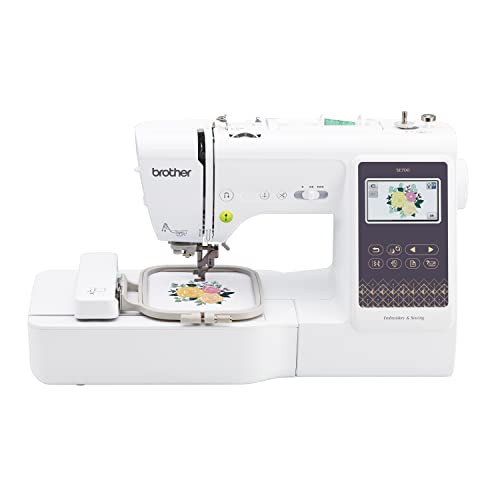
Brother SE700 Sewing and Embroidery Machine, Wireless LAN Connected, 135 Built-in Designs, 103 Built-in Stitches, Computerized, 4" x 4" Hoop Area, 3.7" Touchscreen Display, 8 Included Feet, White
Brother SE700 Sewing and Embroidery Machine, Wireless LAN Connected, 135 Built-in Designs,…
VIEW LATEST PRICE
Poolin EOC06 Embroidery Machine +80 Colors Embroidery Threads+144pcs Prewound Bobbins,Embroidery Machine for Home,Small Business 7.9×11 Inches
Poolin EOC06 Embroidery Machine +80 Colors Embroidery Threads+144pcs Prewound Bobbins,Embroidery Machine for…
VIEW LATEST PRICEUnderstanding Embroidery Machines

The world of embroidery machines is diverse, with each type designed to cater to specific needs and skill levels. Embroidery machines are sophisticated tools that automate the embroidery process, allowing users to create detailed embroidery designs with ease. These machines differ from regular sewing machines as they are specifically engineered to handle embroidery tasks, offering features that enhance precision and creativity. Whether you are a beginner or an experienced embroiderer, understanding the basic functioning of an embroidery machine is essential to achieving the best embroidery results.
What is an Embroidery Machine?
An embroidery machine is a specialized device that automates the creation of patterns and designs on various fabrics. Unlike a simple sewing machine, an embroidery machine is equipped with a series of intricate mechanisms that allow it to manipulate a single needle or multiple needles to execute elaborate designs. These machines are programmed to follow preset designs, enabling users to produce consistent and high-quality embroidery work. The embroidery area is carefully controlled, and users can execute embroidery projects with precision and speed, which is why these machines are favored in both personal and commercial settings.
Types of Embroidery Machines
There are primarily two types of embroidery machines: single-needle and multi-needle.
| Machine Type | Features |
| Single Needle | · Uses one needle · Favored by beginners · Simplicity and ease of use |
| Multi-Needle | · Features multiple needles (4-10) · Holds different colored threads simultaneously · Ideal for larger projects · Commonly used in professional settings |
When considering single-needle vs multi-needle machines, the choice largely depends on the complexity and volume of embroidery work you intend to undertake.
Key Features to Consider
When choosing the right embroidery machine, several key features should be evaluated.
| Feature | Details |
| Number of Needles | A single-needle machine is sufficient for simple designs, whereas a multi-needle machine offers greater efficiency and versatility for complex patterns. |
| Embroidery Area Size | Important for larger projects. |
| Other Factors | Machine’s compatibility with embroidery software, ease of use, and maintenance requirements. |
Ultimately, the right machine will depend on your specific requirements and the scale of your embroidery endeavors.
Single Needle vs Multi Needle

What is a Single Needle Embroidery Machine?
A single-needle embroidery machine is a type of embroidery machine that uses one needle to stitch intricate embroidery designs onto fabric. This machine is particularly favored by beginners due to its straightforward operation and user-friendly features. Typically resembling a traditional sewing machine, the single-needle machine allows users to interchange threads manually, which can be ideal for those who are just starting with embroidery projects. Despite its simplicity, a single-needle embroidery machine is capable of producing high-quality embroidery work, making it an excellent choice for small-scale embroidery tasks or personal projects where time and complexity are not major constraints.
What is a Multi-Needle Embroidery Machine?
A multi-needle embroidery machine is designed to accommodate multiple needles, often ranging from four to ten, each loaded with a different colored thread. This feature allows the machine to switch between colors automatically, significantly speeding up the embroidery process and reducing manual intervention. Multi-needle embroidery machines are highly favored in professional settings and by those running an embroidery business due to their efficiency and ability to handle larger embroidery projects. The multi-needle machine offers a larger embroidery area and is equipped with advanced features that facilitate the creation of complex and detailed designs, making it a powerful tool for experienced embroiderers.
Advantages and Disadvantages
When deciding between a single-needle vs multi-needle embroidery machine, it is important to consider the advantages and disadvantages of each. Single-needle machines are generally more affordable and easier to use, making them perfect for beginners or hobbyists. However, they require manual thread changes and may be slower for more elaborate designs. On the other hand, multi-needle embroidery machines are efficient, allowing for continuous embroidery without frequent thread changes, and are ideal for complex, larger embroidery projects. The downside is their higher cost and steeper learning curve, which might not suit everyone, particularly those who are new to embroidery.
Choosing the Right Machine for Your Needs

Factors to Consider for Beginners
For those new to the world of embroidery, selecting the right machine can be daunting. Beginners should prioritize user-friendly features, such as intuitive controls and simple interfaces, which are often found in single-needle embroidery machines. These machines are more akin to traditional sewing machines, offering a familiar experience while allowing newcomers to focus on developing their skills without the complexity of multi-needle operations. Additionally, single-needle machines are generally more affordable, making them accessible to beginners who are not yet ready to invest in a multi-needle machine. Understanding these factors will help beginners choose the right machine for their initial embroidery projects.
Project Types and Their Requirements
Different embroidery projects demand varying machine capabilities. For small and less complex designs, a single-needle embroidery machine may suffice, allowing for greater control over intricate details. However, larger, more intricate projects often require the efficiency of a multi-needle machine. These machines can handle multiple thread colors simultaneously, greatly enhancing the speed and quality of embroidery work.
| Machine Type | Best Suited For |
| Single-Needle | Small and less complex designs |
| Multi-Needle | Larger and more intricate projects |
When choosing between single-needle vs multi-needle machines, consider the scale and complexity of your intended projects. For instance, those involved in an embroidery business will benefit from the versatility and efficiency of a multi-needle embroidery machine for high-volume production.
Budget Considerations
Budget is a critical factor when choosing the right embroidery machine. Single-needle machines are typically more cost-effective, making them an attractive option for hobbyists or those with limited budgets. They offer good value for money, especially for personal use or small-scale projects. On the other hand, multi-needle embroidery machines, while more expensive, provide significant advantages in terms of speed and functionality, which can justify the investment for professional embroiderers or businesses. Evaluating your financial constraints alongside your embroidery needs will guide you in selecting the most suitable machine for your budget and project requirements.
Best Practices for Using Embroidery Machines

Maintenance Tips for Single and Multi-Needle Machines
Proper maintenance is essential for both single and multi-needle embroidery machines to ensure longevity and optimal performance. Regular cleaning of the embroidery area, removing lint and dust, is crucial to prevent machine malfunctions. Oiling the moving parts, as recommended by the manufacturer, helps maintain smooth operation. For multi-needle machines, it is also important to routinely check and adjust needle alignment and tension settings to accommodate various embroidery designs. Performing these maintenance tasks diligently will not only extend the life of your machine but also result in consistently high-quality embroidery work.
Common Mistakes to Avoid
Embroidery enthusiasts, whether working with single or multiple needles, should be aware of common pitfalls that can affect their projects. One frequent mistake is selecting inappropriate thread or needle sizes for the fabric and design, which can lead to poor stitching quality or machine jams. Another error is neglecting to stabilize the fabric correctly, resulting in puckered designs. Additionally, failing to regularly clean and maintain the machine can lead to operational issues. By understanding and avoiding these mistakes, embroiderers can improve their machine embroidery skills and achieve better results in their embroidery projects.
Resources for Learning and Improvement
Embroidery is an art that continues to evolve, and accessing resources can significantly enhance one’s skills and knowledge. Many online platforms offer tutorials and courses tailored for both single-needle and multi-needle machine users. These resources provide insights into advanced techniques, embroidery designs, and troubleshooting tips. Joining embroidery communities or forums can also be beneficial, as they offer support and advice from experienced embroiderers. By leveraging these educational tools, individuals can continually improve their embroidery work and adapt to new trends and technologies within the embroidery field.